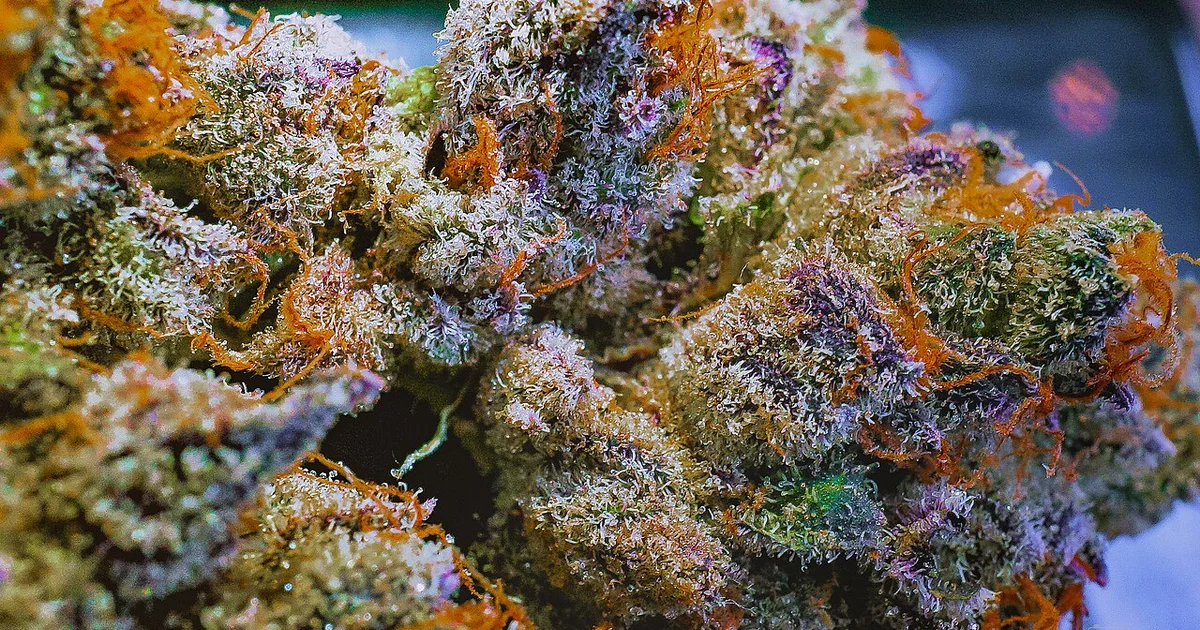
Terpenes give cannabis much of its aroma, but the industry has asked them to carry a far larger story. Product descriptions routinely associate particular compounds with sleep, focus or calm. The scientific evidence is not yet strong enough to treat those associations as predictable clinical effects.
That does not make terpene research unimportant. It makes precision essential.
What terpenes are
Terpenes are aromatic compounds found throughout the plant world. Cannabis produces many of them, including myrcene, limonene, pinene and beta-caryophyllene. Their concentration contributes to a product's smell and may vary with genetics, cultivation, processing and storage.
Laboratory and animal studies have explored anti-inflammatory, sedative and other biological effects. Beta-caryophyllene attracts particular interest because of its interaction with cannabinoid receptors. These findings help identify research questions; they do not prove that a terpene profile will produce a specific therapeutic outcome in a patient.
The entourage-effect problem
The entourage effect proposes that cannabinoids and other plant compounds work together in ways isolated ingredients do not. It is a plausible and active area of investigation, but the phrase is often used commercially as though the mechanism and its clinical significance were settled.
Human trials capable of separating the contribution of individual terpenes remain limited. Dose is another problem: a compound can show an effect in a laboratory at an exposure unlike that delivered by a prescribed flower or extract.
How patients should read a profile
A terpene profile can be useful descriptive information and may help a patient and clinician record patterns in individual response. It should not be treated as a reliable prescription-by-aroma system.
The next step for the science is controlled human research connecting measured formulations with repeatable outcomes. Until then, terpenes belong in the conversation — but with the volume turned down on certainty.