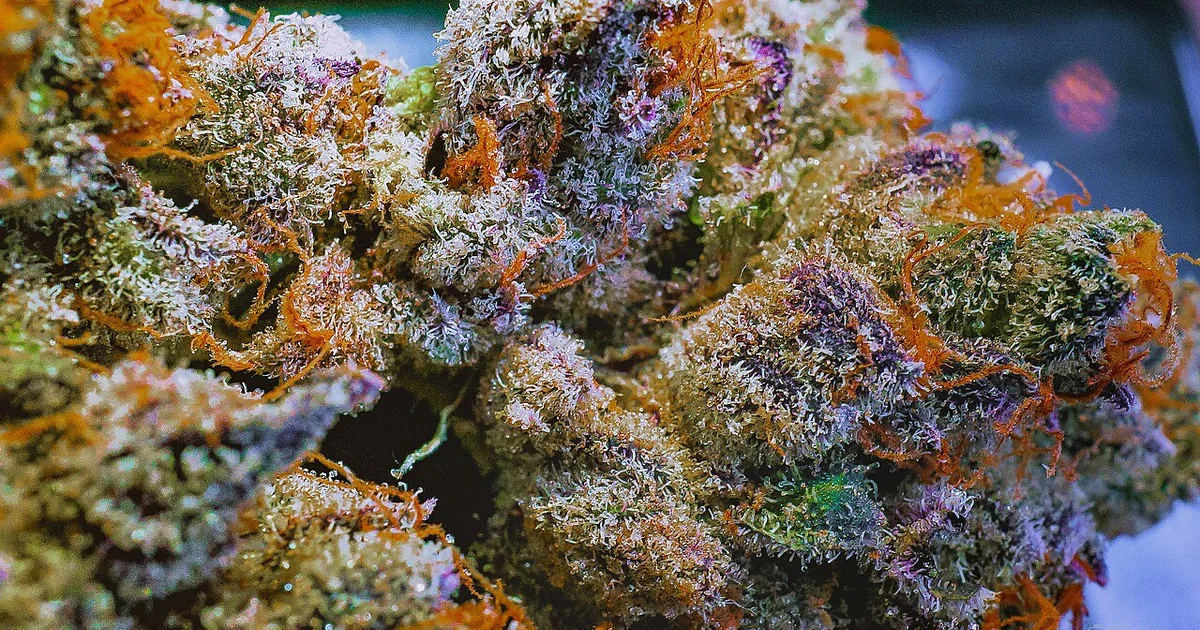
Cannabis contains more than 100 cannabinoids. Public discourse has room for two.
THC and CBD are the headliners — the compounds that drive most prescriptions, most research funding, and most media coverage. But the plant's therapeutic potential extends well beyond the familiar pair. A new wave of research, much of it emerging from Israel, Canada, and the UK, suggests that the so-called minor cannabinoids may hold the key to conditions where THC and CBD have shown only partial effectiveness.
CBG: The Stem Cell of Cannabinoids
Cannabigerol, or CBG, is sometimes called the mother cannabinoid because it is the chemical precursor from which THC, CBD, and several other cannabinoids are synthesised in the plant. It is typically present in very low concentrations — usually below 1 percent — which has historically made it expensive to produce and difficult to study.
What the early data shows is striking. A 2021 study in Frontiers in Pharmacology found that CBG demonstrated significant antibacterial activity against MRSA. Preclinical research has suggested anti-inflammatory effects, potential neuroprotective properties, and an ability to reduce intraocular pressure relevant to glaucoma. Perhaps most interesting for UK patients, CBG appears to interact with both CB1 and CB2 receptors in ways that differ from both THC and CBD, suggesting therapeutic territory that neither of the major cannabinoids fully occupies.
CBN: The Sleep Cannabinoid
Cannabinol, or CBN, is formed when THC degrades over time — which is why older cannabis tends to have higher CBN content. Anecdotal reports have long positioned CBN as a sleep aid, and while the direct evidence for sedation is mixed, there is growing interest in its potential synergy with THC and terpenes in sleep-focused formulations.
A 2022 review in the Journal of Clinical Sleep Medicine noted that while CBN alone has not demonstrated consistent sedative effects in controlled trials, products combining CBN with low-dose THC and specific terpenes (notably myrcene and linalool) showed promise. The authors called for standardised trials. Several UK clinics now offer CBN-containing formulations for patients whose primary complaint is sleep disturbance.
CBC and THCV: The Next Wave
Cannabichromene, or CBC, appears to have significant anti-inflammatory and analgesic properties in preclinical models, possibly through a mechanism distinct from both THC and CBD. It does not bind strongly to cannabinoid receptors but interacts with TRPV1 and TRPA1 — channels involved in pain perception.
Tetrahydrocannabivarin, or THCV, is structurally similar to THC but produces markedly different effects. At low doses it appears to act as a CB1 antagonist — meaning it may actually reduce some of THC's psychoactive effects while contributing to appetite suppression and metabolic regulation. Early clinical interest has focused on THCV's potential role in obesity and type 2 diabetes, though human trials remain limited.
The Entourage Effect Revisited
The minor cannabinoids also matter because of what they suggest about cannabis as a whole-plant medicine. The entourage effect — the theory that cannabinoids, terpenes, and flavonoids work better together than any single compound does alone — remains scientifically debated, but the clinical trend is clear. More UK prescribers are moving toward broad-spectrum and full-spectrum products, and away from isolated THC or CBD. The minor cannabinoids are a significant part of why.
They are also a reminder that cannabis pharmacology is far from fully mapped. A hundred compounds, thousands of potential interactions, and a research environment that spent decades actively suppressing investigation. The headline act is THC and CBD. But the full cast is only just beginning to take the stage.