Cannabis is a plant. But commercial cannabis cultivation — the kind that supplies the world's legal medical and adult-use markets — is an industrial process with an industrial environmental footprint.
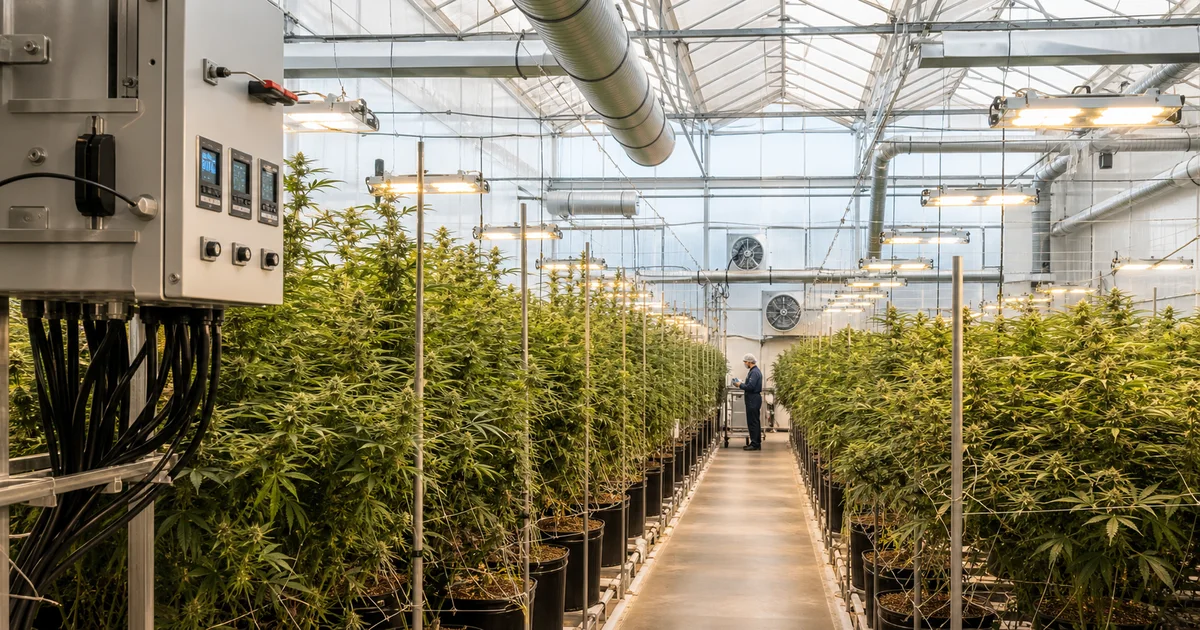
The numbers are sobering. A 2021 study in Nature Sustainability found that indoor cannabis cultivation in the United States produces 2.3 to 5.2 tonnes of carbon dioxide equivalent per kilogram of dried flower — roughly the same carbon intensity as aluminium smelting. The primary driver is electricity: high-intensity grow lights, HVAC systems, dehumidifiers, and ventilation running 12 to 18 hours a day, 365 days a year.
The Energy Problem
Indoor cultivation accounts for the majority of the legal cannabis supply in both North America and Europe. The UK medical market, supplied primarily by indoor facilities, is no exception. The energy demands are structural: cannabis is a high-value crop with specific light, temperature, and humidity requirements that outdoor cultivation in northern European climates cannot reliably meet.
A typical indoor cultivation facility uses between 2,000 and 3,000 kilowatt-hours of electricity per kilogram of flower produced. To put that in perspective, the average UK household consumes about 3,700 kWh per year. A single medium-scale cultivation facility can match the annual electricity consumption of several hundred homes.
Some producers are moving toward renewable energy. Facilities powered by solar, wind, or biogas are emerging, particularly in the Netherlands and Portugal, where the climate also allows for hybrid greenhouse models that reduce lighting demand. But the industry standard remains energy-intensive and, in most jurisdictions, fossil-fuel-dependent.
Water and Waste
Water use in cannabis cultivation is significant but varies enormously by method. Outdoor cultivation in suitable climates can be rain-fed. Indoor hydroponic systems, by contrast, require substantial water inputs — though recirculating systems have reduced consumption considerably in recent years. The bigger water concern is often not the total volume used but the impact on local water tables in drought-prone growing regions.
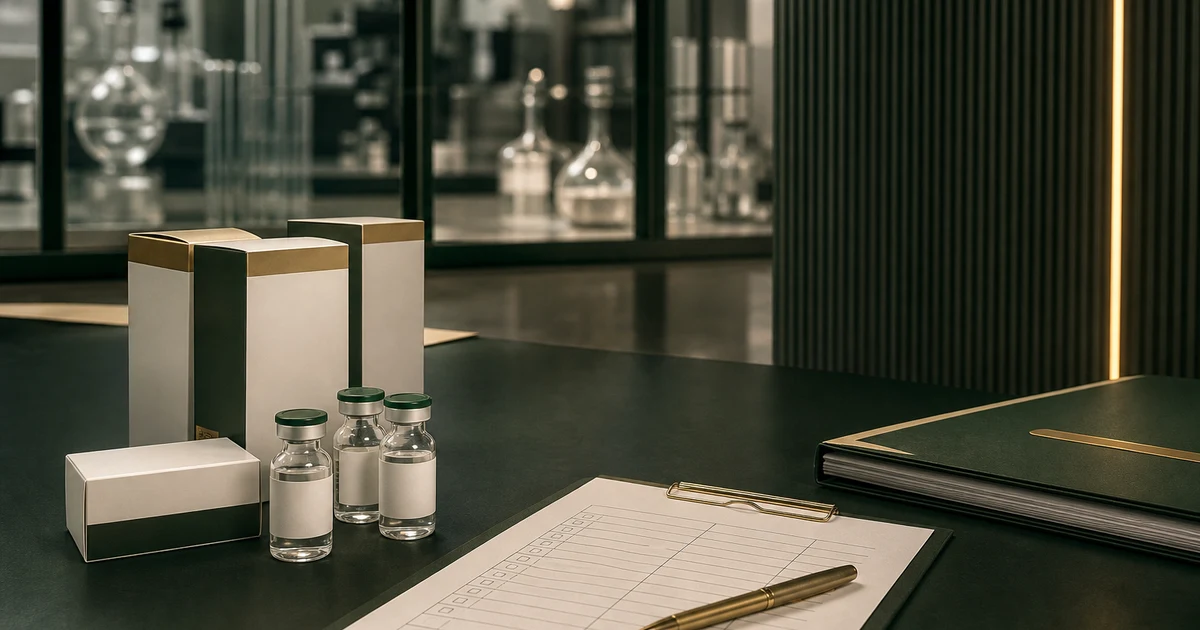
Packaging waste is a less discussed but growing problem. Medical cannabis products are typically packaged in single-use plastic containers, often with additional outer packaging for compliance reasons. The UK's requirement for child-resistant, tamper-evident packaging means that even small quantities of flower or oil generate a disproportionate amount of waste. Few producers have invested in biodegradable or reusable packaging solutions, and the regulatory framework does not incentivise them to do so.
What a Sustainable Industry Could Look Like
The path to sustainability involves several shifts that are technically feasible but commercially challenging. Outdoor and greenhouse cultivation in appropriate climates, powered by renewables. Water recirculation as standard. Packaging designed for reuse or composting rather than landfill. Carbon accounting that reflects the full lifecycle of production and distribution.
Some companies are moving in this direction. The UK's first licensed medical cannabis cultivator, GW Pharmaceuticals (now part of Jazz Pharmaceuticals), invested significantly in energy efficiency at its facility in Kent. But the broader market remains primarily supplied by imported product, often from facilities with less stringent environmental standards, transported across continents in climate-controlled shipping.
The cannabis industry markets itself around wellness, nature, and sustainability. The plant itself is a product of the earth. But the industrial processes that bring it to patients — the lights, the climate control, the plastic — tell a different story. Closing the gap between the industry's marketing and its environmental reality is one of the defining challenges of the next decade.